
Switching to solar energy is one of the smartest investments a Filipino homeowner or business owner can make. However, before you start installing panels on your roof, you need to answer one crucial question: Which type of solar energy system do I actually need?
In the Philippines, solar setups aren’t “one size fits all.” Depending on your location—whether you’re in a bustling city served by CEPALCO or MERALCO, or in a remote area—your needs will vary.
Here is a simple guide to the three main types of solar energy systems to help you decide.
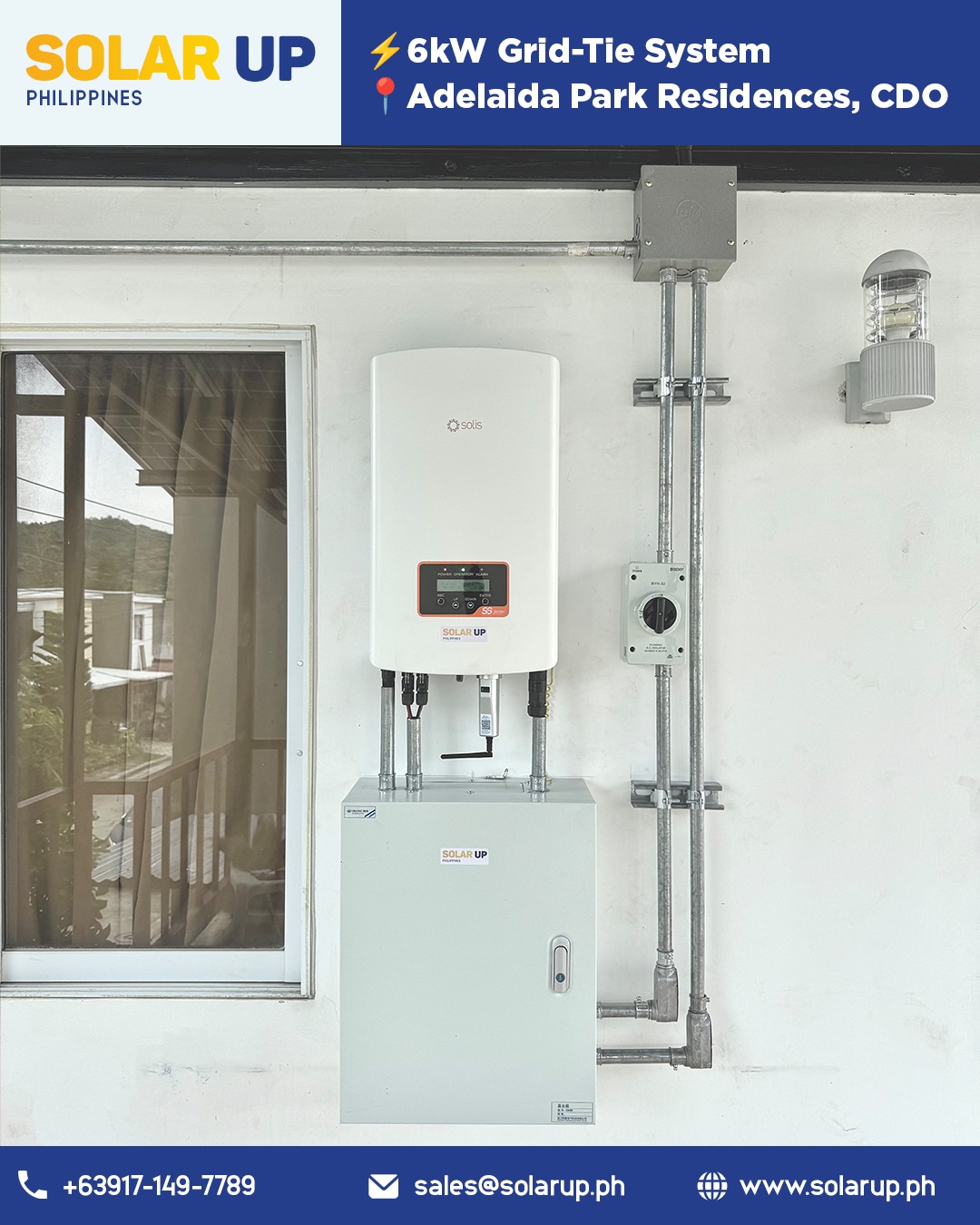
1. Grid-Tied Solar System: The Budget-Friendly Savings King
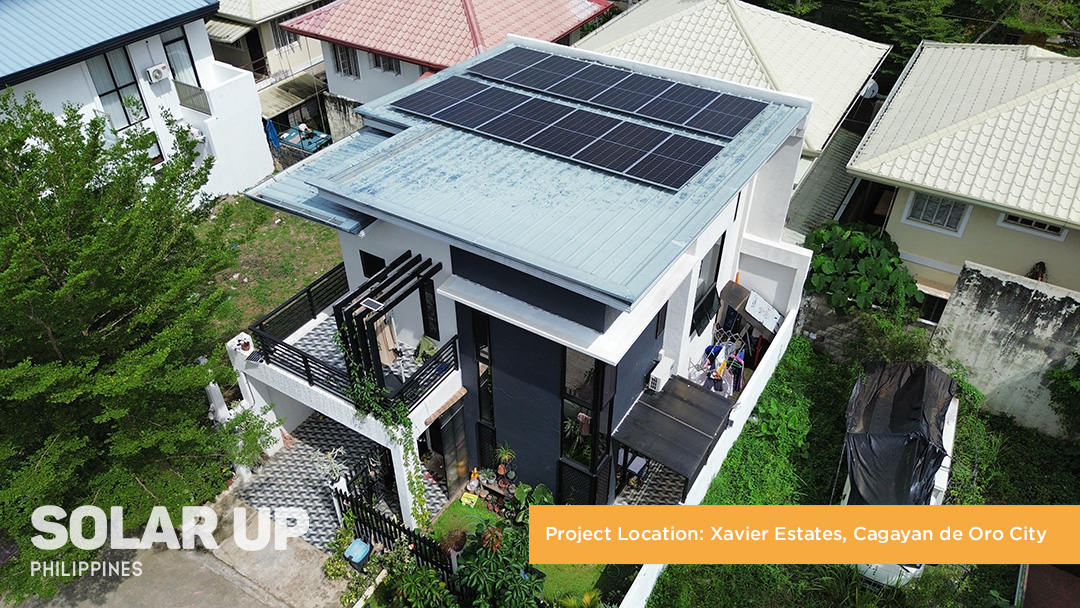
A Grid-Tied system is the most popular choice for urban homes and businesses. As the name suggests, your system is directly connected to your local utility provider (like CEPALCO, MORESCO, or MERALCO).
- How it works: You use solar power during the day. If you produce more than you need, the excess goes back to the grid. At night, you pull power from the utility company.
- The Net Metering Advantage: In the Philippines, you can earn credits for the excess power you “export” to the grid, further lowering your monthly bill.
Pros & Cons
- ✅ Pros: Lowest upfront cost; fastest Return on Investment (ROI); no expensive batteries needed.
- ❌ Cons: It will shut down during a power outage (for safety reasons) and does not provide backup power.
Best For: Homes with high daytime electricity usage and those looking for the maximum reduction in their monthly bills.
2. Off-Grid Solar System: Complete Energy Independence
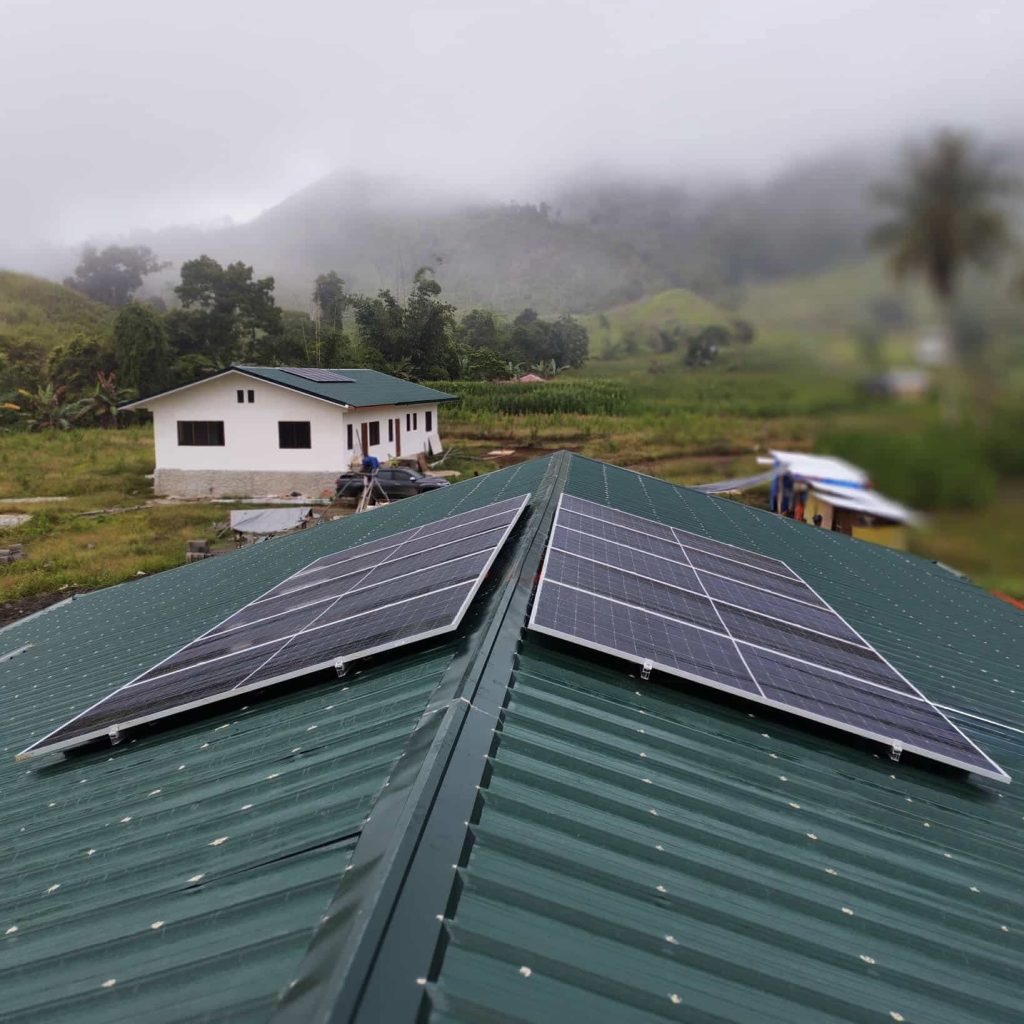
An Off-Grid system is a standalone setup. It is completely disconnected from the electric utility and relies entirely on solar panels and a heavy-duty battery bank.
- How it works: Your panels power your home and charge your batteries during the day. At night, you run entirely off the stored energy in your batteries.
Pros & Cons
- ✅ Pros: Zero electricity bills; 100% independence from utility companies; unaffected by brownouts.
- ❌ Cons: Higher initial cost due to batteries; requires careful energy management (you can only use what your batteries hold).
Best For: Remote locations, provincial farms, private islands, or areas where the local utility grid hasn’t reached yet.
3. Hybrid Solar System: The Best of Both Worlds
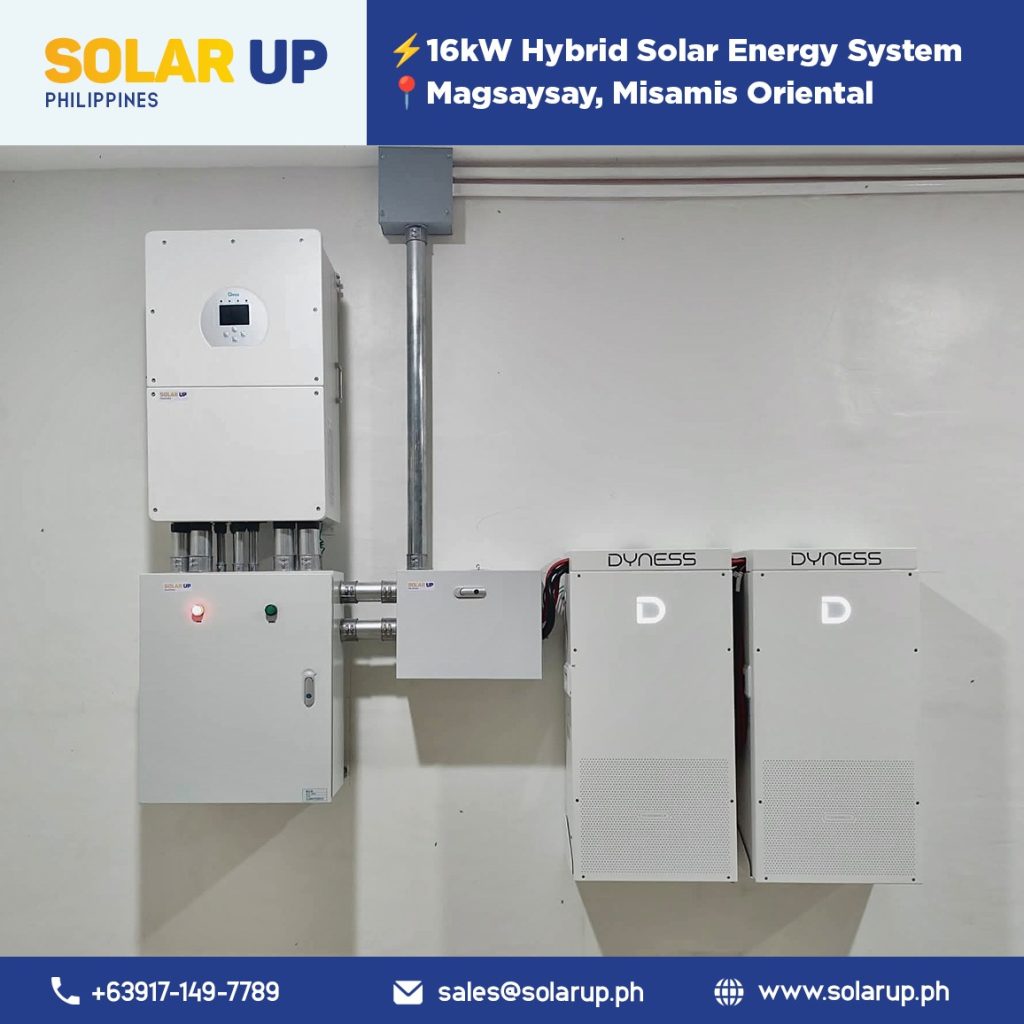
A Hybrid system is the “all-rounder.” it combines the grid-connectivity of a grid-tied system with the energy storage of an off-grid system.
- How it works: You use solar first, then battery power, and then the grid. If the grid goes down, your batteries kick in instantly to keep your lights and appliances running.
Pros & Cons
- ✅ Pros: Provides backup power during outages; offers flexibility; works even in areas without Net Metering.
- ❌ Cons: More expensive than grid-tied systems; requires battery maintenance over time.
Best For: Businesses with critical equipment (like cold storage or medical clinics) and homes in areas with frequent “brownouts” or power interruptions.
Comparison at a Glance
| Feature | Grid-Tied | Off-Grid | Hybrid |
| Grid Connection | Yes | No | Yes |
| Battery Storage | No | Yes | Yes |
| Works During Brownouts | No | Yes | Yes |
| Upfront Cost | Lowest | Highest | Moderate to High |
| Primary Goal | Max Savings | Independence | Savings + Backup |
Summary: Which System Should You Choose?
- Grid-Tied: Best for maximum savings and high daytime usage (most urban homes).
- Off-Grid: Best for total independence and remote locations without utility access.
- Hybrid: Best for those who want a mix of savings and 24/7 backup power during brownouts.
Ready to Go Solar the Right Way?
Avoid costly mistakes and invest in a safe, properly engineered, and reliable solar system designed for long-term savings.
Our solar advisors are ready to help you design a system that fits your actual power needs—no guesswork, no shortcuts.
📍 Visit Our Office: 176 Capistrano – Echem St., Cagayan de Oro City 9000
📞 Call Us Now: +63 917 149 7789
📧 Email Us: [email protected]
📝 Get a Free Quote: solarup.ph/#contact