
If you have ever felt a sense of “bill shock” upon opening your monthly electric statement, you are not alone. The Philippines consistently ranks among the countries with the highest electricity rates in Southeast Asia, often trailing only behind Singapore—a city-state with a significantly higher cost of living.
For many Filipino households and businesses, high power rates are a major hurdle to financial growth. But why is our electricity so expensive compared to our neighbors? It isn’t just one factor; it is a combination of geography, national policy, and global economics.
1. The Privatized Market (No Government Subsidies)
Unlike many neighboring countries like Thailand, Indonesia, or Malaysia, where the government heavily subsidizes electricity to keep costs low for the public, the Philippine power sector is fully privatized.
Under the Electric Power Industry Reform Act (EPIRA), the “true cost” of producing and delivering electricity is passed directly to the consumer. While this system encourages private investment, it means there is no government safety net to cushion Filipinos from price hikes. You pay the actual market price for every kilowatt-hour (kWh) you consume.
2. Heavy Reliance on Imported Fossil Fuels
A massive portion of the Philippines’ power is generated from coal and natural gas. Because the country does not have enough domestic reserves to meet the growing demand, we must import these fuels from the global market.
- Global Volatility: When international coal prices rise due to global conflicts or supply chain disruptions, your bill rises immediately through the “Generation Charge.”
- The Currency Factor: These fuels are traded in US Dollars. When the Philippine Peso weakens, it becomes more expensive for power plants to buy fuel, and that added cost is reflected in your monthly statement.
3. The “Archipelago Tax” (Transmission Costs)
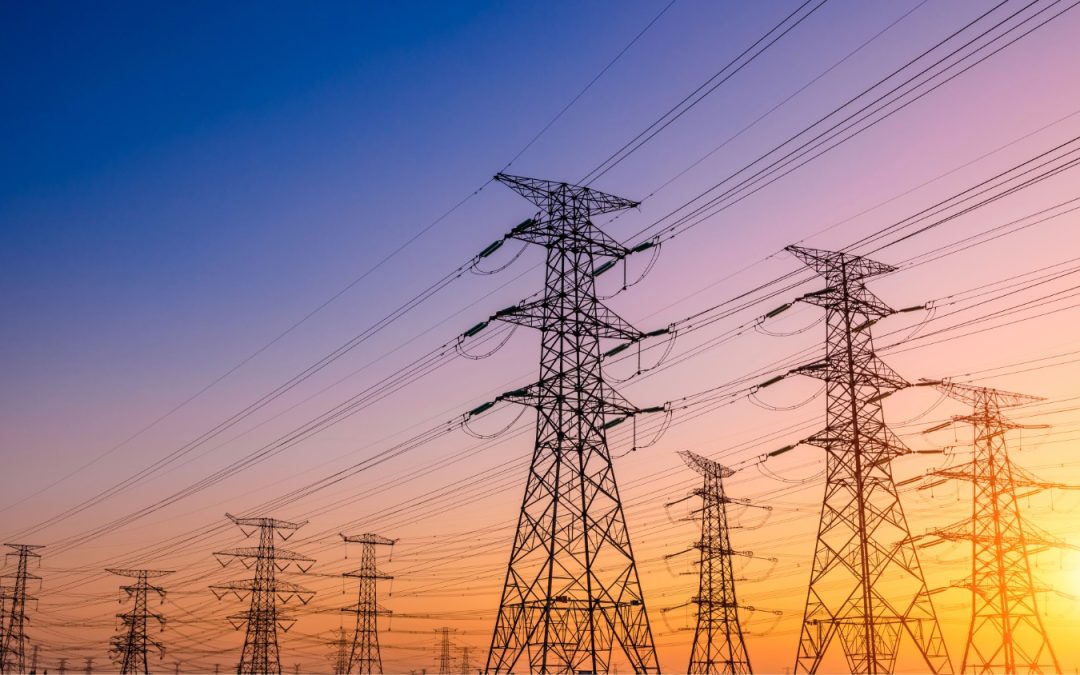
Powering a nation of over 7,000 islands is a massive engineering challenge. To bring electricity from power plants to your home, the National Grid Corporation of the Philippines (NGCP) maintains a massive network of over 21,000 kilometers of transmission lines.
- Complex Infrastructure: Bridging the gap between Luzon, Visayas, and Mindanao requires thousands of kilometers of specialized high-voltage submarine cables.
- Typhoon Vulnerability: With an average of 20 typhoons hitting the country annually, the cost of repairing and “hardening” the grid against natural disasters is high. These maintenance costs are integrated into the transmission and system loss charges on your bill.
4. High Value-Added Tax (VAT) and Surcharges
Electricity in the Philippines is subject to a 12% Value-Added Tax. This tax isn’t just applied to the power you use; it is often applied to the various surcharges and environmental fees as well. When the base price of fuel goes up, the tax you pay increases proportionally, making the final “total amount due” even higher.
Regional Comparison: Estimated Electricity Rates
| Country | Approx. Cost (per kWh) | Primary Driver |
| Philippines | ₱12.00 – ₱15.00+ | No Subsidies / High Imports |
| Thailand | ₱6.00 – ₱8.50 | Moderate Subsidies |
| Vietnam | ₱4.50 – ₱5.50 | Heavily Subsidized |
| Malaysia | ₱3.50 – ₱5.00 | Local Reserves & Subsidies |
The Evergreen Solution: Stop Renting, Start Owning
The factors driving up your electricity bill—global fuel prices, the Peso-Dollar exchange rate, and the difficulty of island transmission—are completely outside of your control. As long as you rely 100% on the traditional grid, you are “renting” your power at a price that historically trends upward.
Solar energy is the only way to lock in your rates for the next 25 years.
By switching to a residential or commercial solar system with Solar Up, you can:
- Zero Out Your Daytime Bill: Use the Philippine sun to power your air conditioning, appliances, and computers for free.
- Net Metering Savings: Sell your excess solar energy back to the grid (like Meralco) and earn credits that offset your nighttime consumption.
- Rapid Return on Investment (ROI): With current high electricity rates, most solar systems in the Philippines pay for themselves in just 4 to 6 years. After that, your electricity is essentially free.
- Energy Independence: Protect your family or business from the next global fuel crisis or local rate hike.
Take Control of Your Monthly Expenses
Electricity prices are unlikely to drop significantly in the long term. The best way to protect your budget is to generate your own clean, renewable energy.
Ready to see how much you can save? Contact Solar Up today for a free consultation and let us help you turn your roof into a power plant.